

Water Reuse Solutions for Sustainable Water Management
AAA develops water reuse solutions for domestic, municipal and industrial applications, helping reduce freshwater consumption and turn treated wastewater into a valuable resource.
FROM WASTEWATER TO REUSE
From Wastewater to Fit-for-Purpose Water
Every water reuse project starts with three questions: What is the wastewater source? How will the treated water be reused? And what water quality is required? These factors determine the appropriate treatment concept and additional treatment stages.
Wastewater Source
Wastewater characteristics, flow rates, pollutant loads and variations define the starting point for every water reuse concept.
Intended Reuse
Irrigation, toilet flushing, washing, cooling and industrial processes have different requirements for treated water quality.
Treatment Requirements
Based on the wastewater source, intended reuse and required water quality, AAA selects and combines the appropriate treatment stages.

FIT-FOR-PURPOSE WATER REUSE
Water Quality Defined
by Its Next Use.
From irrigation to industrial processes, each reuse application requires the appropriate treatment and water quality.
WATER REUSE APPLICATIONS
Water Reuse Solutions for Different Applications
The appropriate water reuse concept depends on where the wastewater comes from, how the treated water will be used and which water quality is required. AAA develops solutions for domestic and municipal applications, industrial processes and vehicle wash water recycling.
DOMESTIC & MUNICIPAL
Domestic & Municipal
Water Reuse
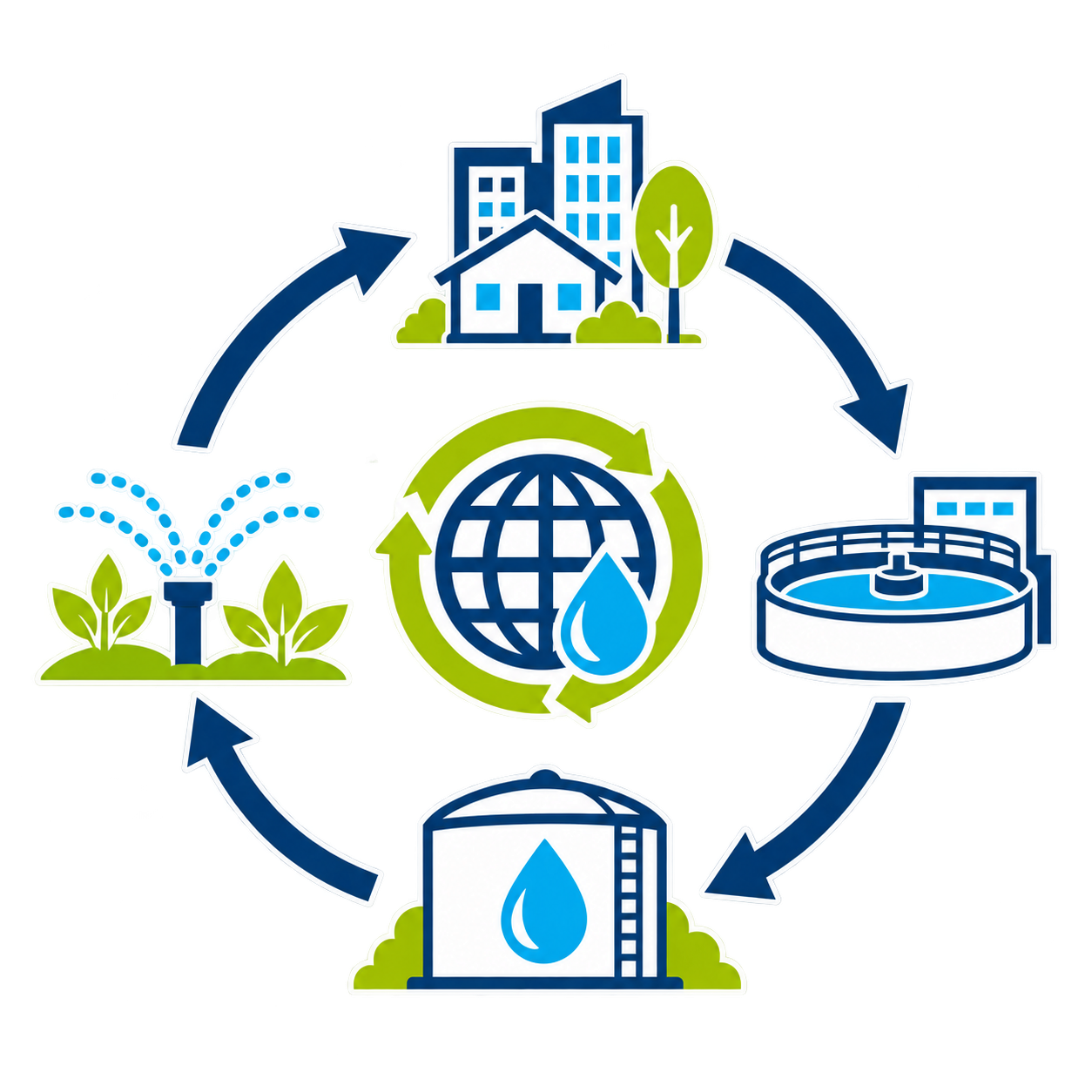
From private homes and hotels to residential developments and municipalities, treated wastewater can be reused for irrigation, toilet flushing and other suitable non-potable applications. Treatment is adapted to the intended use and required water quality.
INDUSTRIAL & PROCESS
Industrial & Process
Water Reuse
Industrial water reuse is tailored to the wastewater characteristics, process requirements and required water quality. Treatment and polishing stages are selected specifically for the intended reuse within the facility.
VEHICLE WASHING
Vehicle Wash
Water Recycling
EcoWash Recover treats used wash water directly on site and returns it to the washing process. The compact modular system can reduce freshwater consumption by up to 85% while lowering wastewater discharge volumes.
DOMESTIC & MUNICIPAL WATER REUSE
Reuse Treated Domestic Wastewater
Treated domestic wastewater can provide a valuable alternative water source for private homes, hotels, residential developments and municipal applications. Depending on the intended reuse, treated water can be prepared for irrigation, toilet flushing, cleaning and other suitable non-potable uses.
The required treatment depends not only on the wastewater itself, but also on how the reclaimed water will be used, whether it is stored before use and which water quality requirements apply.
Typical Reuse Options
- Garden and landscape irrigation
- Toilet flushing
- Cleaning and washdown
- Other suitable non-potable uses
DOMESTIC WATER REUSE CONCEPTS
Direct Reuse or Intermediate Storage?
How treated water is supplied to its next use influences the overall reuse concept. Water may be reused shortly after treatment or stored until it is needed. Each approach places different requirements on treatment, storage and water quality management.
DIRECT REUSE
Water Used Shortly After Treatment
Where treated wastewater can be reused shortly after treatment, the water can be supplied directly to the intended application or with only limited intermediate storage. Additional polishing can be integrated where required by the intended use and target water quality.
REUSE AFTER STORAGE
Water Stored Until It Is Needed
Where treated water is stored before reuse, storage conditions become part of the overall treatment concept. Depending on the intended use, storage period and applicable requirements, additional filtration, disinfection or other polishing stages can be integrated.
POSSIBLE ADDITIONAL TREATMENT
Filtration · Sand Filtration · Disinfection · Application-Specific Polishing
PRACTICAL WATER REUSE
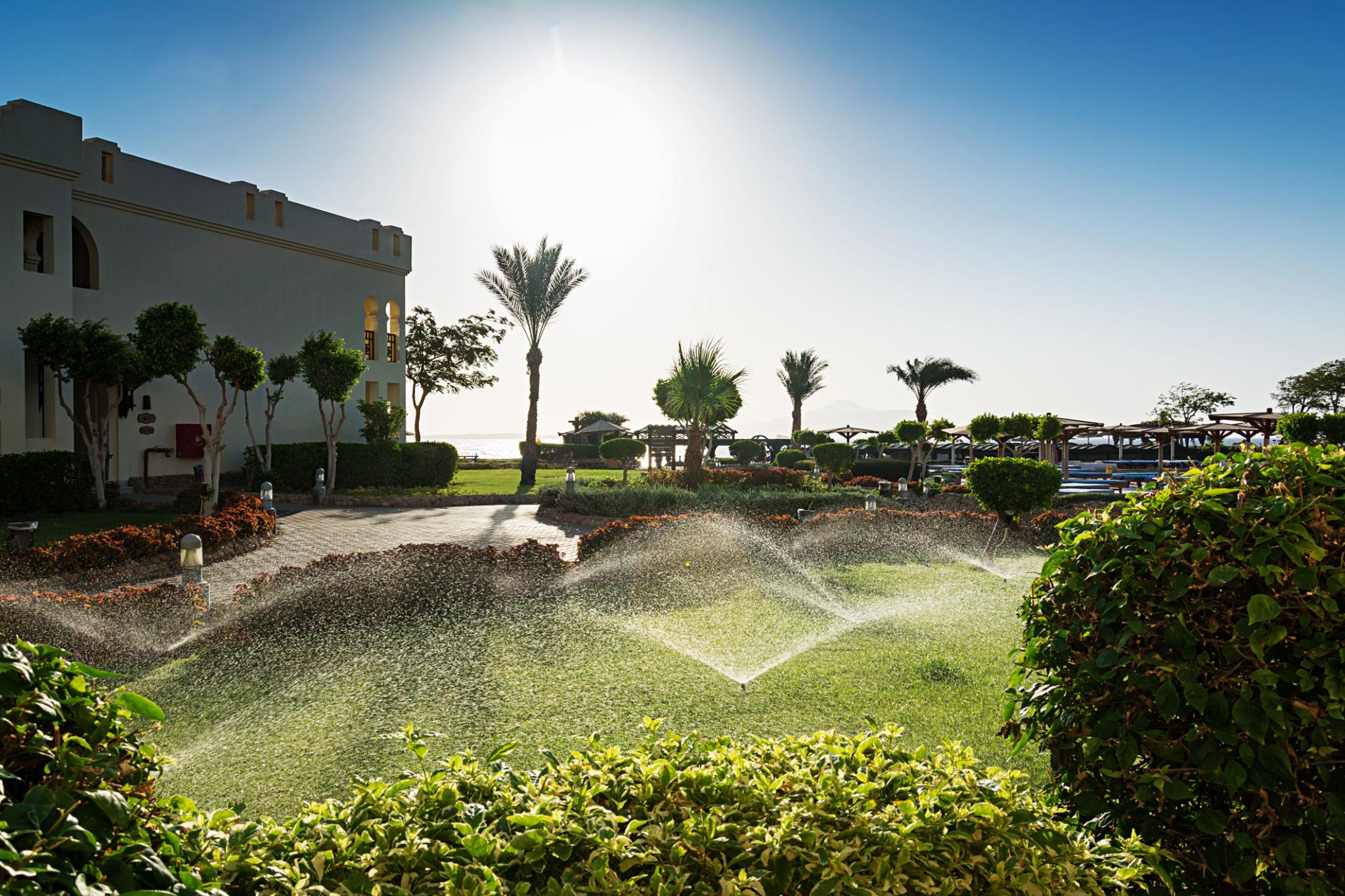
Reclaimed Water for Landscape Irrigation
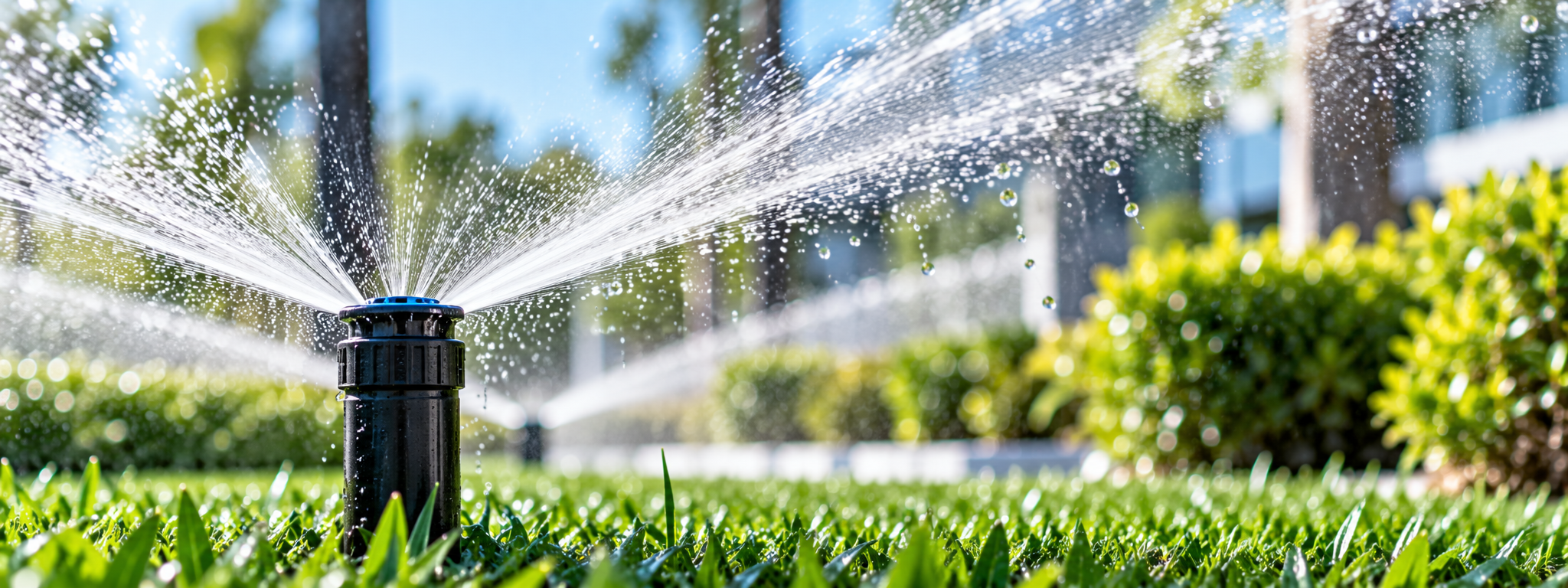
Landscape irrigation is a typical application for treated wastewater. Depending on the required water quality and local requirements, reclaimed water can help reduce freshwater demand for gardens, hotel grounds and landscaped areas.
INDUSTRIAL & PROCESS WATER REUSE
Recover Water for Industrial Processes
Industrial water reuse starts with the wastewater itself. Flow rates, pollutant loads, dissolved substances and process-specific contaminants determine which treatment concept is technically and economically suitable.
AAA combines biological, physical and chemical treatment processes according to the wastewater characteristics, the required water quality and the intended reuse application.
Typical Reuse Applications
- Industrial process water
- Cooling water and make-up water
- Cleaning and equipment washdown
- Other project-specific reuse applications
INDUSTRIAL WATER REUSE CONCEPTS
From Wastewater Characteristics to Required Reuse Quality
Industrial water reuse requires a treatment concept tailored to both the wastewater characteristics and the intended reuse. The required treatment and polishing stages therefore vary from one application to another.
01
WASTEWATER CHARACTERISTICS
Understanding the
Starting Point
Flow rates, pollutant loads, suspended and dissolved substances and process-specific contaminants define the starting conditions for the water reuse concept.
02
TREATMENT & POLISHING
Building the
Treatment Concept
Biological, physical and chemical treatment processes can be selected and combined according to the wastewater characteristics, treatment objectives and project requirements.
03
REQUIRED REUSE QUALITY
Preparing Water for
Its Next Use
The intended reuse defines the target water quality and determines whether additional filtration, membrane treatment, disinfection or other polishing stages are required.
POSSIBLE TREATMENT & POLISHING STAGES
Biological Treatment · Filtration · Membrane Treatment · Disinfection · Application-Specific Polishing
VEHICLE WASH WATER RECYCLING
Reuse Wash Water and Save Up to 85% Fresh Water
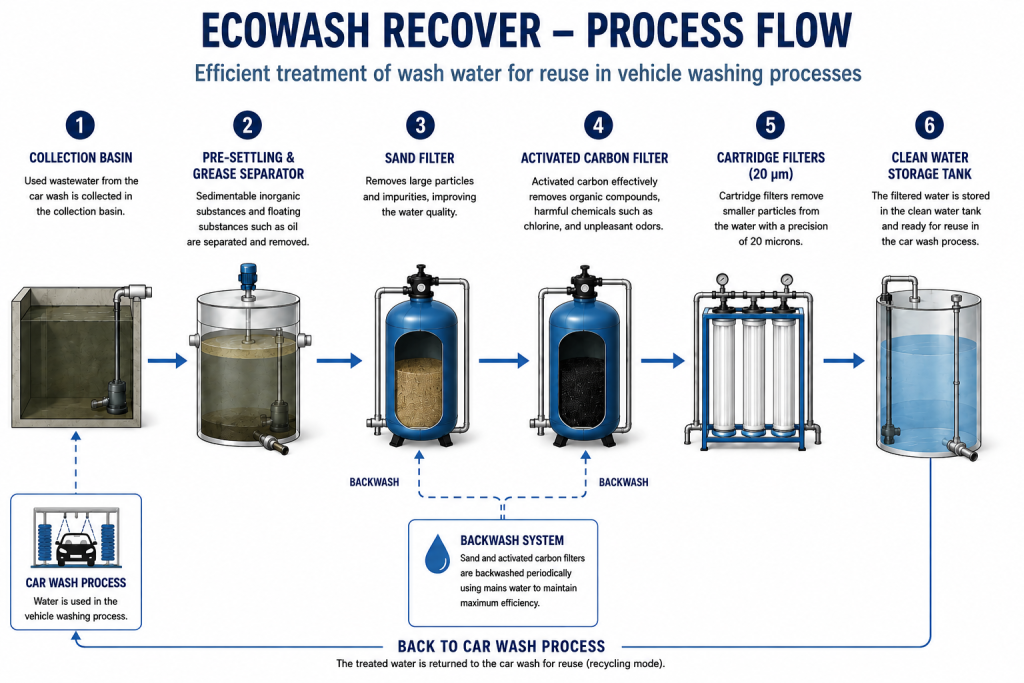
EcoWash Recover is a compact and modular system for treating and reusing vehicle wash water directly on site. Instead of discharging used wash water after a single use, the system returns treated water to the washing process.
By recycling wash water, EcoWash Recover can reduce freshwater consumption by up to 85% while also lowering wastewater discharge volumes and operating costs.
VEHICLE WASH WATER RECYCLING
How Vehicle Wash Water Recycling Works
Instead of using fresh water for every wash cycle, used wash water is collected and treated through several stages before being stored for reuse. The reclaimed water is then returned to the vehicle washing process, creating an on-site water recycling loop.
SUITABLE APPLICATIONS
Vehicle Wash Water Recycling for Different Applications
Passenger Car Wash Facilities
Commercial Vehicles & Fleets
Trucks, Buses & Transport Vehicles
Heavy-Duty & Specialized Washing